
angelmcbee7881
About angelmcbee7881
Eight Ways to Guard Against Tenant
The real estate market does not move in one direction nationwide. It never has. What is happening in Austin is not what is happening in Cleveland. What is true for a three-bedroom in the suburbs of Dallas has almost nothing to do with a two-bedroom in San Francisco. Before you do anything else, narrow your focus to the specific market you are shopping in and stop reading national headlines as if they apply to you personally.
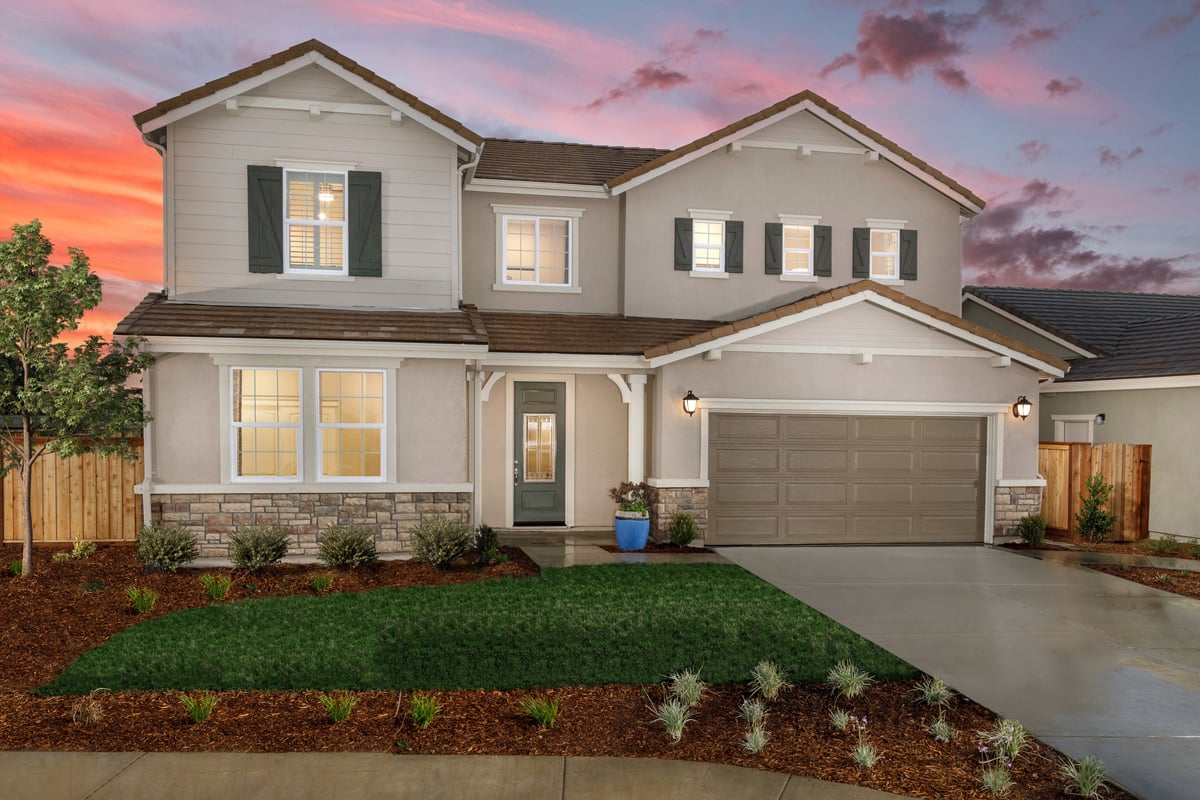 Home prices at the national level have stayed stubbornly high even as financing costs doubled in under two years. The reason is supply. The locked-in effect has kept available inventory at historically low levels in most markets, which means the correction that many analysts were expecting simply did not materialize the way the data suggested it should.
Affordability, by the standard measure of what share of median household income goes toward the monthly payment on a median-priced home, is near its worst level since the early 1980s. That is a real problem, and it is not going away quickly. But affordability being stretched does not mean prices are about to fall sharply. What it means, practically, is that the buyer who can close confidently has more leverage than the headline numbers suggest.

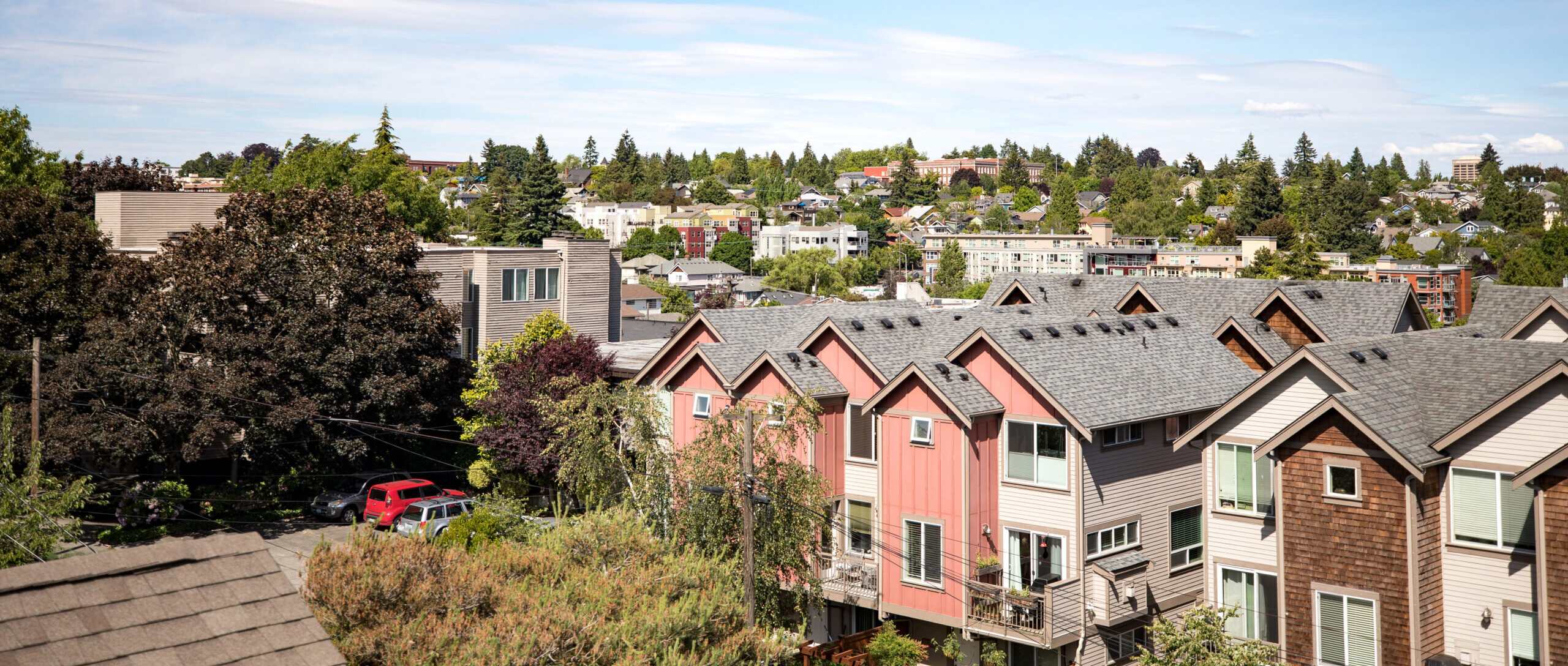 The inspection is where the marketing copy meets reality. Schedule it and attend in person if at all possible. A good home inspector will walk you through what they are finding as they go, and you will learn more about the property in three hours than in any number of showing visits.
 Price matters, but terms matter too. The buyer who calls the listing agent before submitting, asks what matters to the seller, and builds the offer around that information wins more often than the buyer who simply goes the highest.
 The timing question, whether to buy now or wait for a better moment, is the one that trips up more buyers than any other single factor. The record on market timing for owner-occupied housing is not encouraging. The more useful question is not whether now is the right time in the abstract; it is whether the home works for your actual life for the next five to seven years.
 Buyers who take the time to research properly tend to find that there are still good properties available at realistic prices. Before you commit to a direction, browsing homes for sale and market resources can sharpen your picture of what is actually available in your price range.
No listing found.